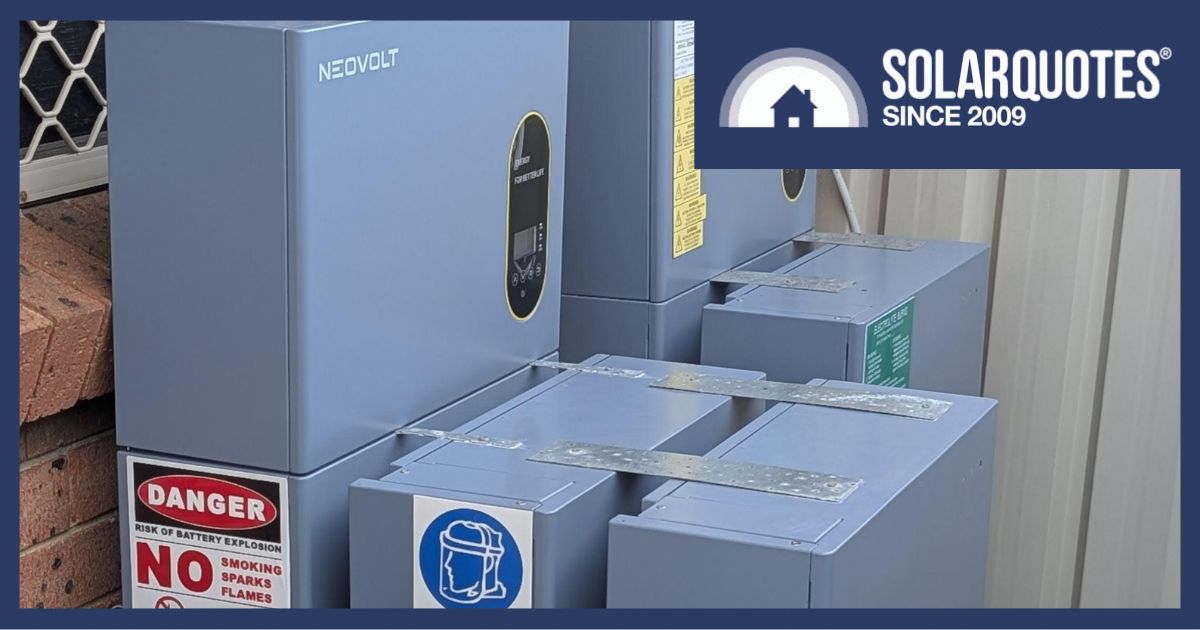
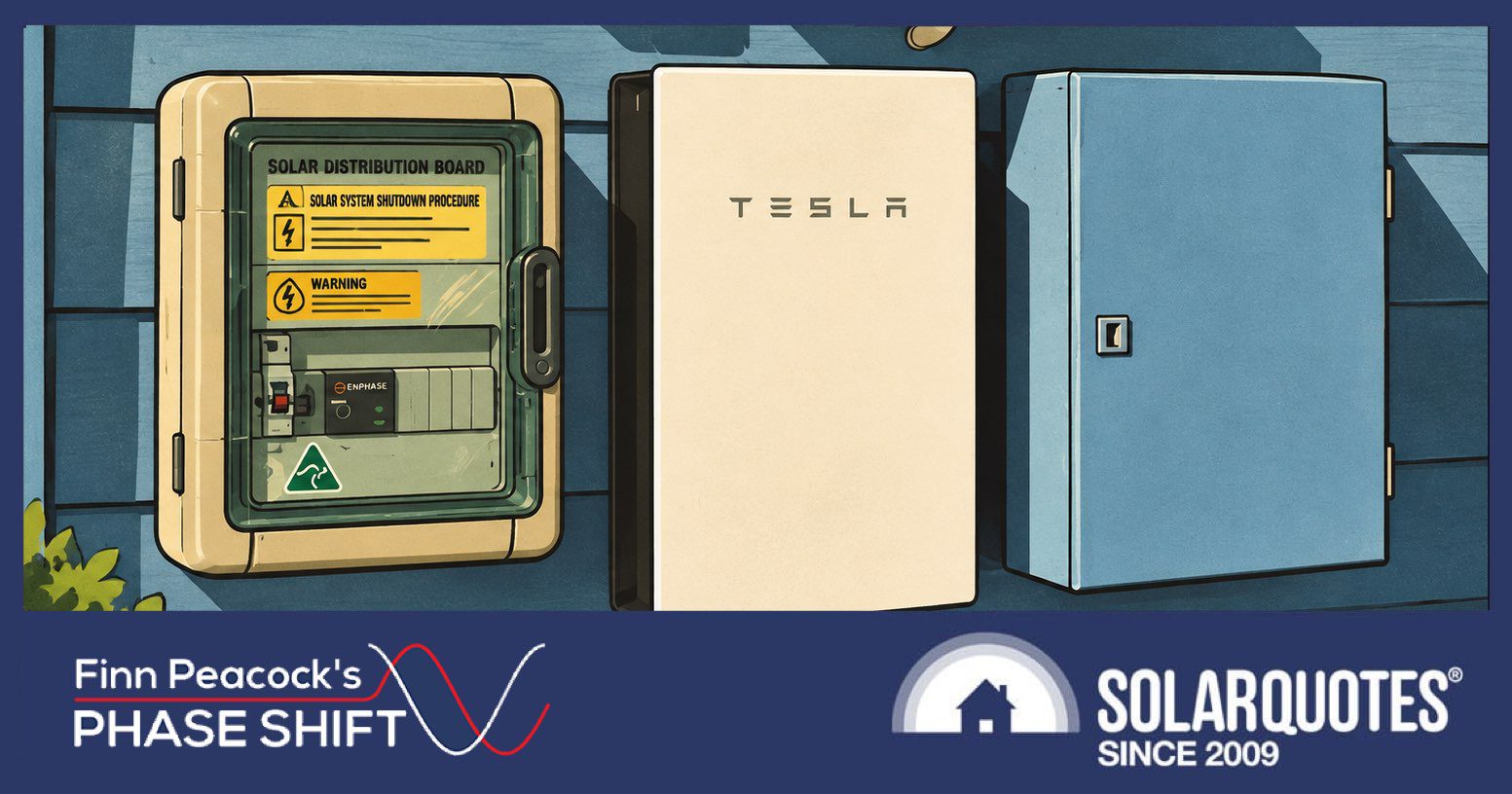
Batteries shouldn’t be put in the bin, and nor should bins be put into your battery – but has your home energy system been installed in a way that can handle a wheelie bin or worse of impact?

Batteries shouldn’t be put in the bin, and nor should bins be put into your battery – but has your home energy system been installed in a way that can handle a wheelie bin or worse of impact?
If you’re building a new home and assuming solar can be sorted out later, there’s something many buyers don’t realise until it’s too late: by the time it becomes a serious conversation, the important decisions may already have been made.

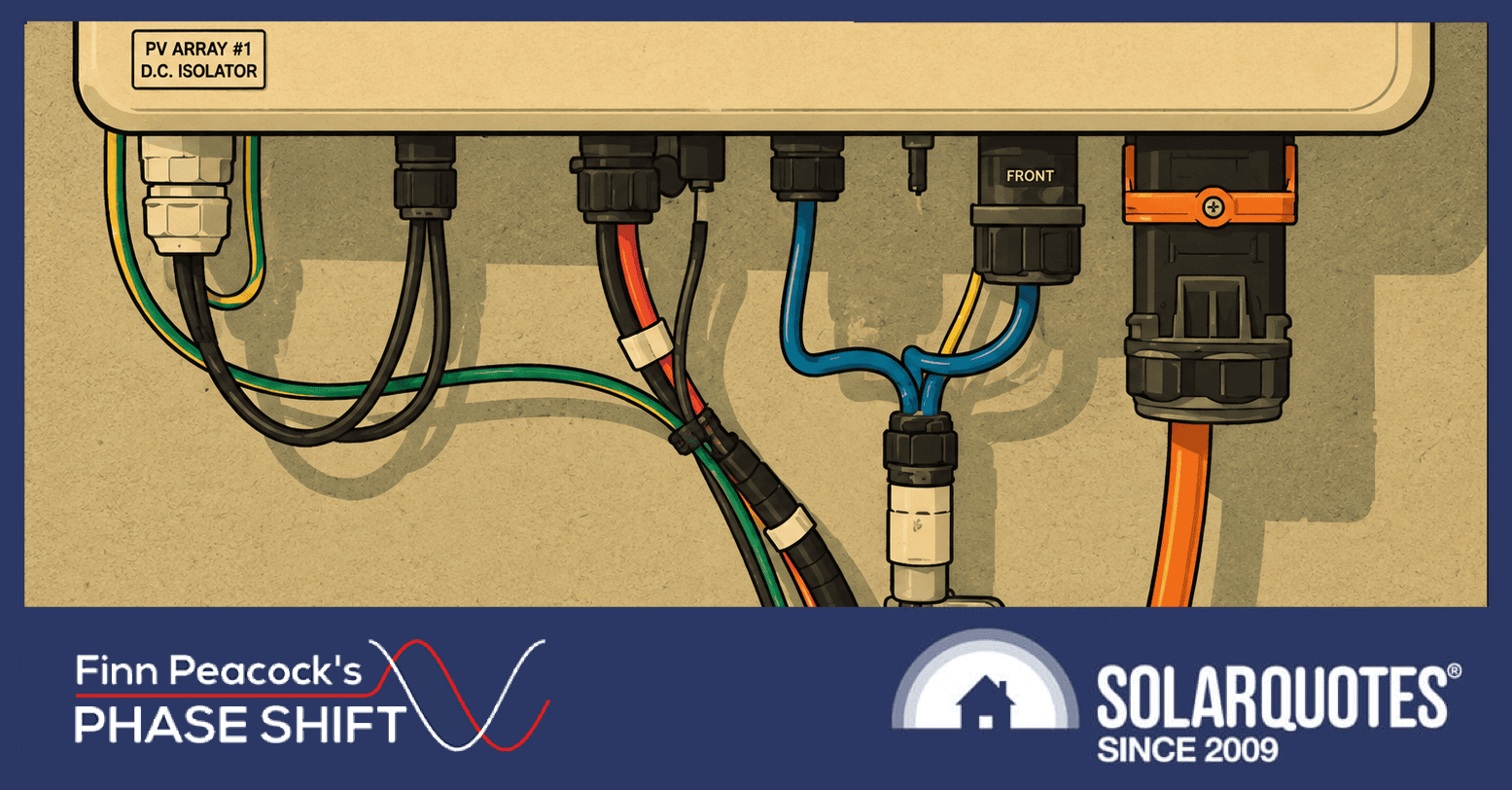
Conduit into inverter = path for water into power electronics.
DC cables need mechanical protection. That’s not up for debate. But the way some of the industry is achieving it, by plumbing conduit directly into inverters, is creating a new problem: water ingress. [Read more…]

Once again the solar and storage industry is facing some uncomfortable questions about whether the rules we work with actually line up with each other.
Finn did an excellent job of explaining this issue a few weeks back1 but strap in and we’ll get into the weeds of wiring rules and ask, why are they being ignored by installers, inspectors and regulators and who is going to bear the cost of getting this right? [Read more…]

Max is still on holiday. I am still in Sydney. Here’s what happened on Day 2 of the Smart Energy 2026 Conference & Expo in Sydney. [Read more…]

Solar panels installed by Limitless Energy.
When Australian households first started installing solar, there were almost no restrictions on how much energy they could export back to the grid, and they received up to 60c per kWh for exporting it. Fast forward to today, and we have millions of rooftop solar systems meeting more than 13% of the country’s electricity demand. [Read more…]
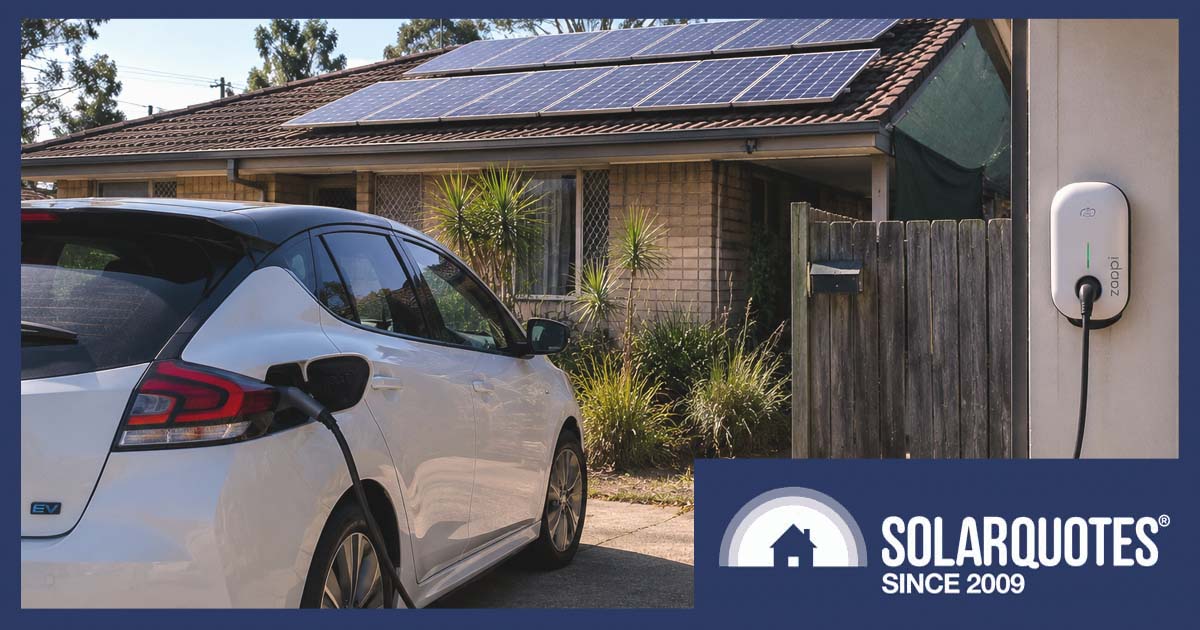
As the petrol crisis encourages more and more Australians to go electric, we’re increasingly seeing the rise of the two+ EV household. So how do you go about charging two cars?
Australia’s federal battery rebate is changing from May 1, 2026 — and if you’re considering a home battery, you’ll want to understand what’s changed and what it means for you.
There is a tool on the SolarQuotes site that almost no one uses.
Not because it is hidden on purpose. Mostly because it is hard to stumble across.
Sometimes I write blog posts that are fact checks. But today’s is more a statement of fact. And that fact is:
If your electricity consumption is anywhere close to normal, it’s a bad idea to blow your only chance to use the battery rebate on a tiny 5 kilowatt-hour (kWh) battery, like the one promoted by Solar Battery Group’s letter mailout campaign.
Get free quotes for solar, batteries,
EV chargers or hot water heat pumps
Before You Go..Download the first chapter of The Good Solar Guide, authored by SolarQuotes founder Finn Peacock, FREE! We respect your privacy and you can opt out from the newsletter at any time. |
Currently Raging Debates: