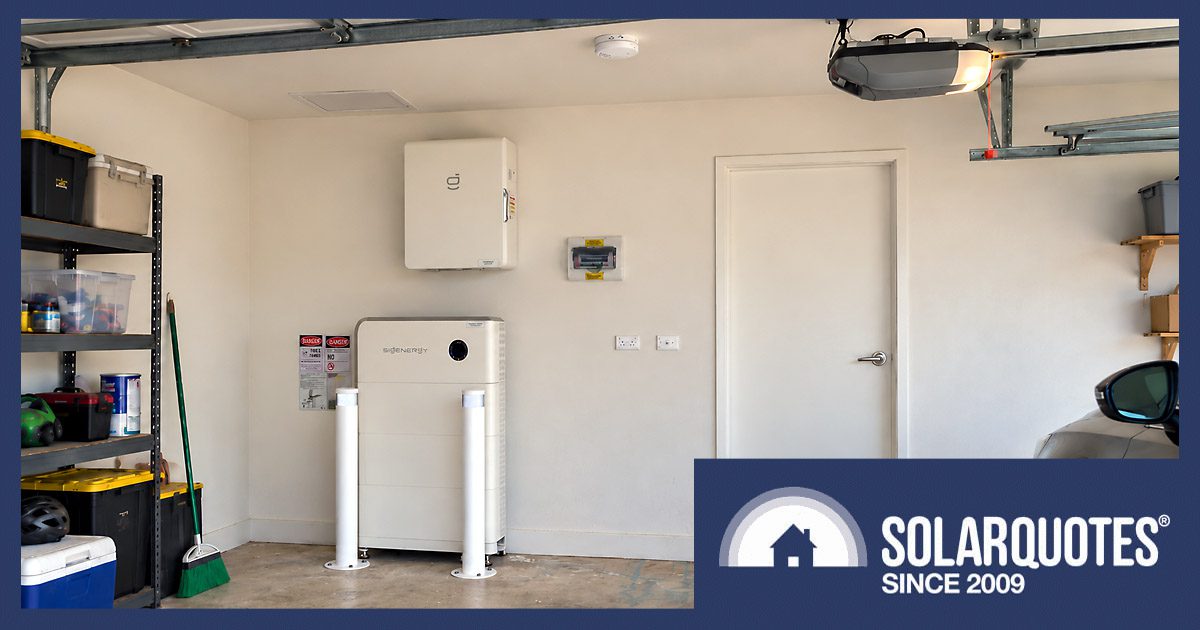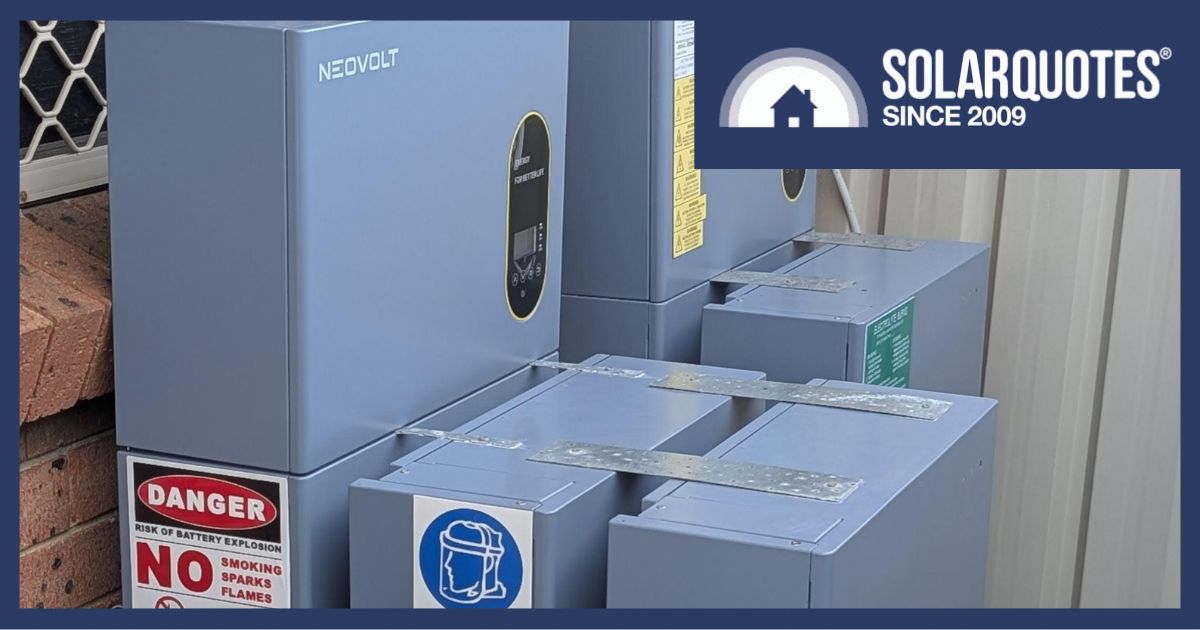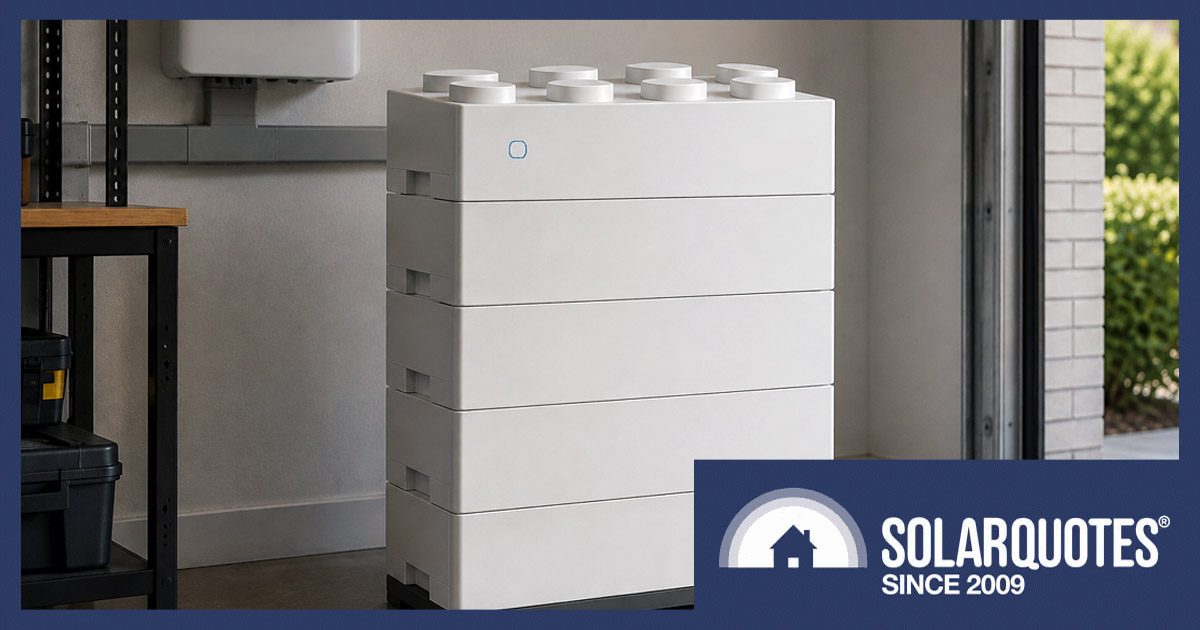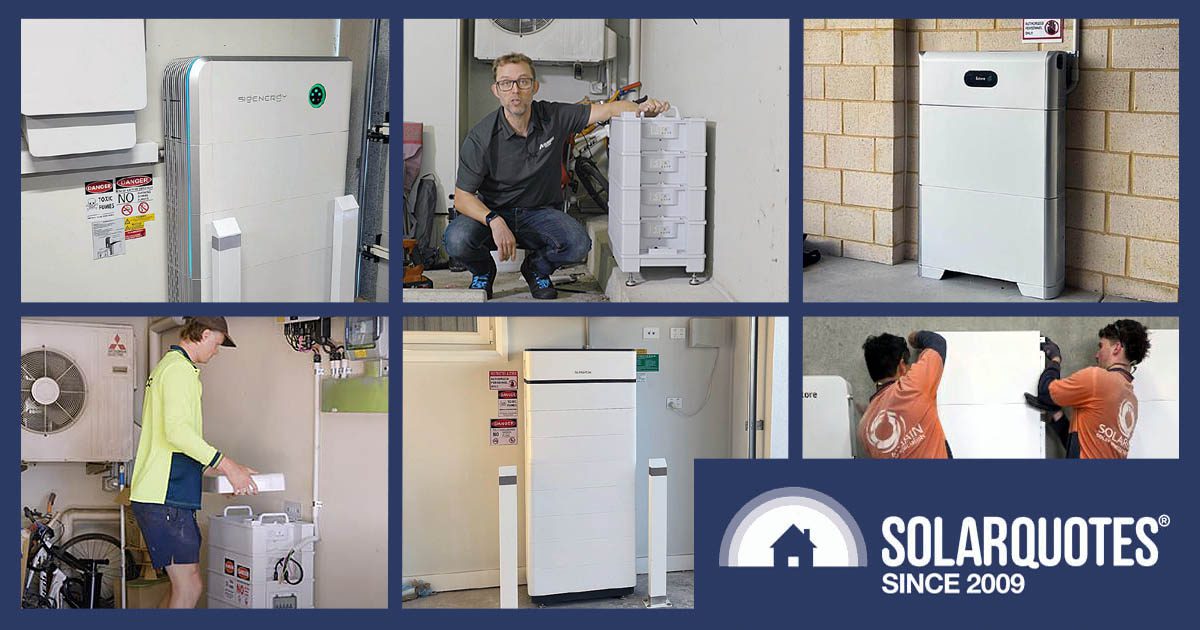
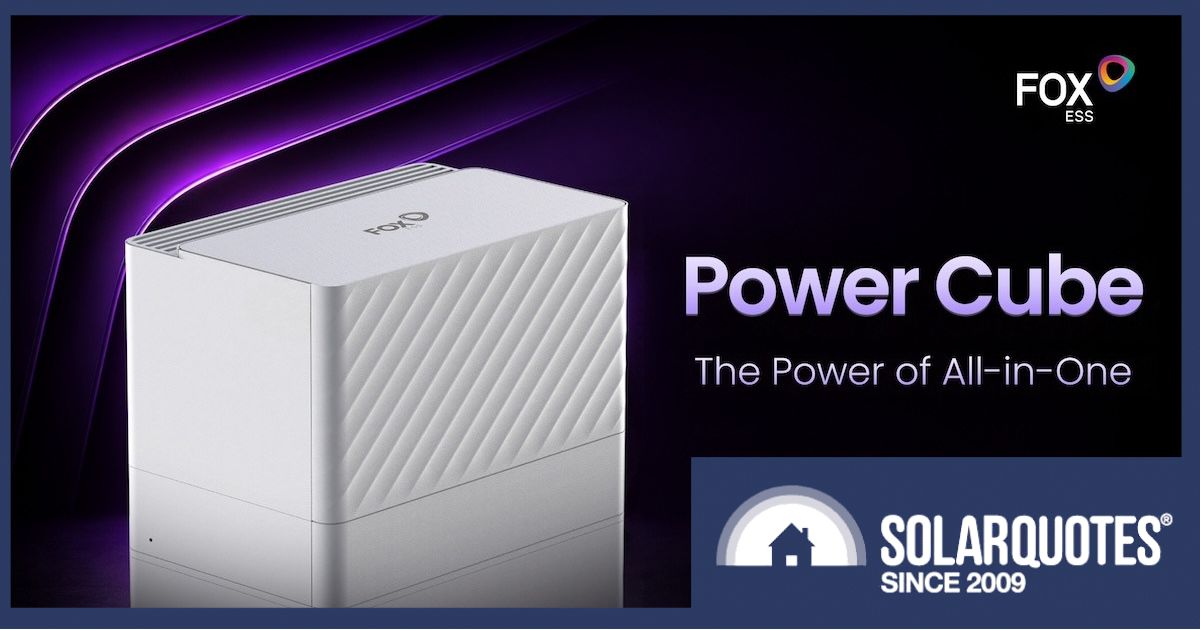
Continuing the 2026 Installer’s Choice Awards, we asked Australia’s solar installers a simple question:
“Which home battery would you choose for your own home?”
These are the people designing, installing and servicing battery systems every day, so they have a front-row seat to what works well in the real world. And Australian Consumer Law holds the installer liable for the units’ warranty and performance for 10 years plus. So I reckon their opinion is what counts.
I’m a man with a mission. And that mission is to decide what size battery my sister should get, while taking into account that she’ll be topping it up with free daytime electricity. If I give her a bad answer, I will still be a man — but it may become much more difficult for me to immediately prove it.
The good news is, my sister is getting a battery. The bad news is, she says I have to decide how large it should be, and god knows what she’ll do to me if I get it wrong. To find out how I decided what battery capacity to recommend, while taking into account her average electricity consumption, modest 6.6kW solar system, and the fact she’ll be topping up her battery with free daytime electricity — read on. But if you only want to know how I rate my chances of getting out of this unharmed, then also read on.
The minimum level of charge a battery will keep up its sleeve can be customised to best suit your priorities – whether it’s maximising energy trading profits, blackout protection or reducing degradation. You can even tweak it temporarily in response to unusual conditions – as I found during a power price surge earlier this week.

Shared batteries could play a bigger role in apartment solar, with Melbourne-based Allume Energy launching SolShare 2, a new version of its solar-sharing technology that allows multi-residential buildings to combine shared rooftop solar with battery storage.
Is your battery warm and cosy this winter? Yes, it probably is.
RSS - Posts

Currently Raging Debates: